When I First Saw This Little Cottage
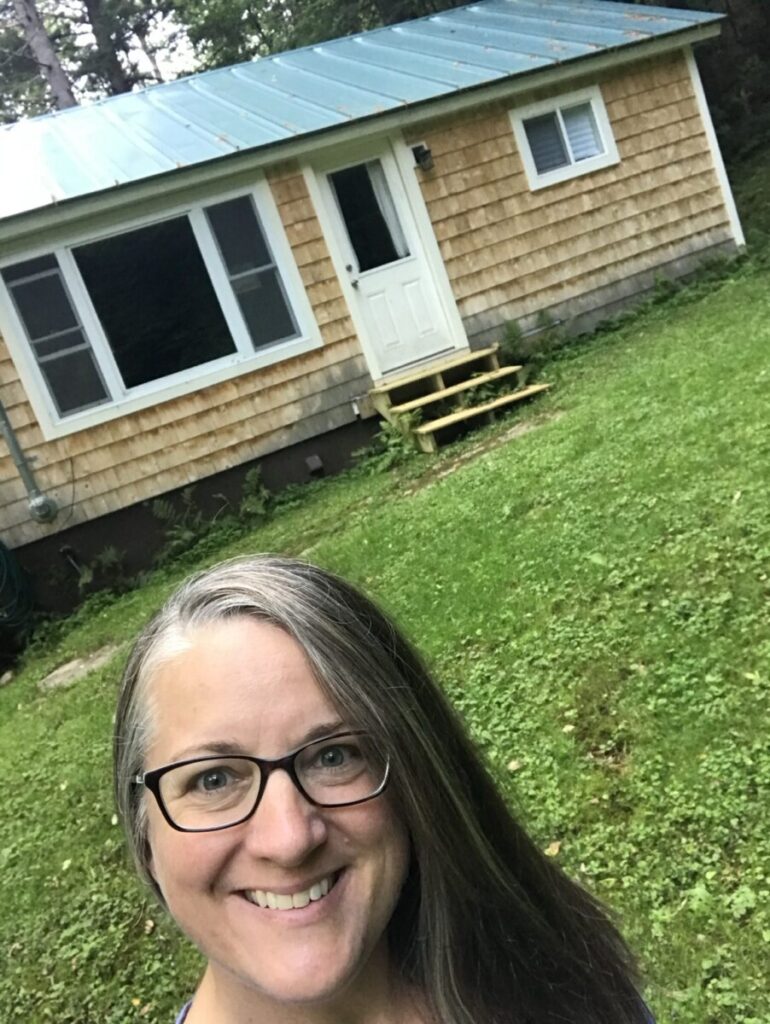
The first time I drove by this little cottage I just knew it was my home. It was during the pandemic. I was living in an Inn with my dogs after my living situation dissolved. Beyond crazy times! I parked at the end of the road in front of the lake and called my normally super calm realtor. I said, “I found my house. I want to put in a full-priced offer.” Paula replied, “But you haven’t even been inside!” I just knew it was my home. After my offer was accepted, my wheels turned faster. This Vermont cottage renovation has never been about creating perfection overnight. It has been about learning to see possibilities, making thoughtful improvements one project at a time, and slowly turning a small house into a home that reflects the life I want to live here.
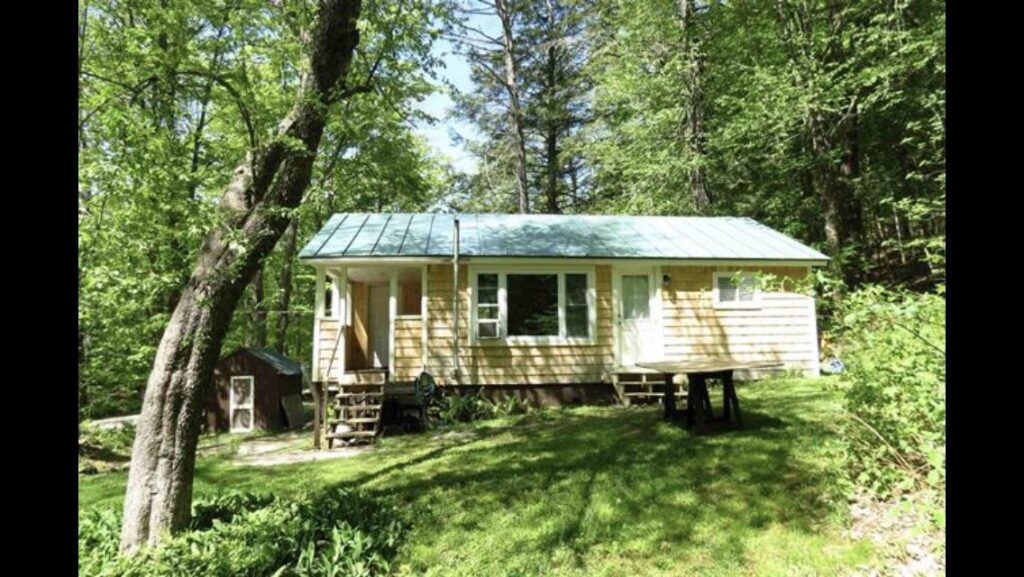
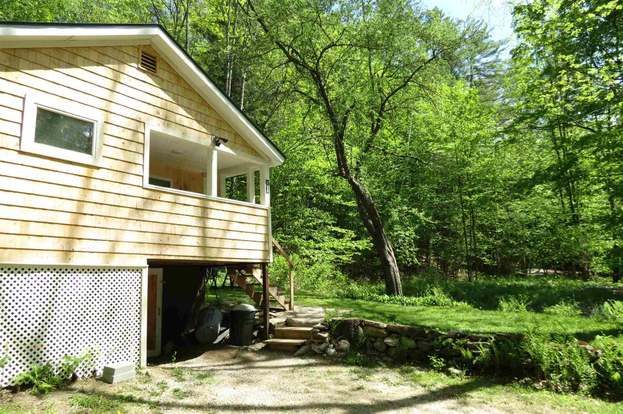
At the time, the property was overgrown, heavily shaded, and full of projects I didn’t fully understand yet. The yard felt wild, the cottage was humble, and there were plenty of things that would have scared off someone looking for a polished, move-in-ready home. But even then, I could picture something more. I could imagine gardens, winding paths, cozy outdoor spaces, and a peaceful place to come home to after a long day.
That’s one of the things I’ve learned about buying an older home: sometimes you don’t fall in love with what it is in that exact moment. You fall in love with what it could become.
This little Vermont cottage wasn’t a finished product. It was a starting point. And for me, that mattered more than perfection ever could.
I think a lot of us, especially women creating homes on our own, can feel pressure to have a beautiful vision and a flawless plan right from the beginning. But that wasn’t my experience. I had ideas, yes, but I also had uncertainty. I was learning the house, learning the land, and learning myself in the process. I just knew that I wanted a home that felt comforting, grounded, and deeply personal.
I wanted a place that would reflect my values: simplicity, warmth, beauty, and intention. I wanted a home that felt welcoming to family and friends, but mostly like a retreat for me. A place where I could build a life slowly and thoughtfully. This cottage gave me the chance to do exactly that.
Learning That Dreams Evolve
When I first bought this property, I imagined creating a market garden. I pictured rows of flowers and vegetables, baskets of blooms, and the kind of productive garden space that would feel both practical and beautiful.
But living here through the seasons taught me something important: the land had its own plans.
As I got to know the property, I realized just how much shade I was dealing with. The mature trees that made the setting feel so magical also made some of my original gardening dreams unrealistic. At first, I’ll be honest, that was disappointing. I had a vision in my mind, and I didn’t want to let it go.
But over time, I stopped seeing that shift as failure and started seeing it as growth.
This property taught me that sometimes the dream isn’t wrong — it just changes. Sometimes the most beautiful homes are created when we stop trying to force a space into our original plan and start paying attention to what it actually wants to be.
Instead of a market garden, this cottage has become something softer and more layered. It’s become a place of cottage-style garden beds, woodland edges, little moments of beauty, and outdoor spaces that feel relaxed and lived in. The goals changed, but the heart of the dream didn’t. I still wanted beauty. I still wanted peace. I still wanted a home that felt like a sanctuary. I just had to let the property lead a little.
That has been true inside the house too. Renovating a small, rustic cottage means constantly adjusting your expectations and your ideas. You think one project will matter most, and then something else becomes more urgent. You think a room is headed in one direction, and then you live with it and realize it needs something different.
There’s something humbling about that, but also freeing. It reminds me that home renovation doesn’t have to be rigid to be successful. Sometimes it’s better when it isn’t.
Infrastructure Before Beauty
If you’ve ever renovated an older home on a super tight budget, you know that the glamorous projects usually aren’t the first ones to happen.
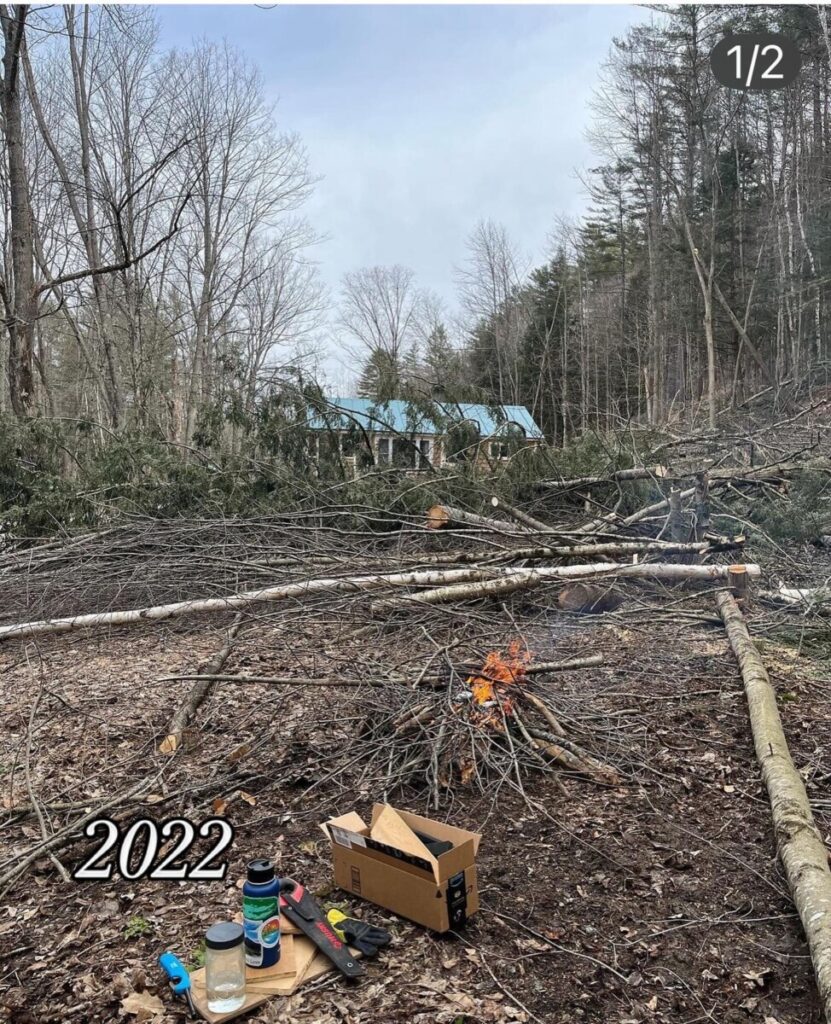
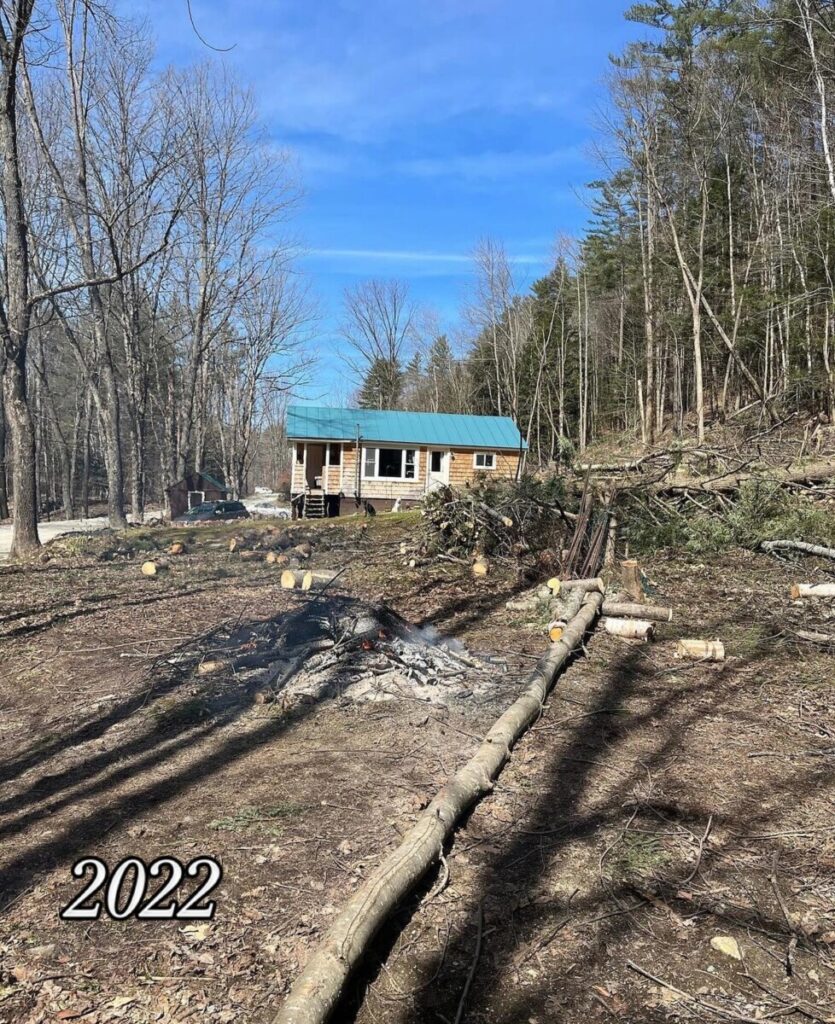
Before there were flowers and pretty paths and charming little moments, there was tree work. There was excavation. There was clearing. There was mud. There was the creation of what I now call “The Flat.”
Those projects weren’t the ones I dreamed about when I imagined transforming this Vermont cottage. They weren’t the fun part. They weren’t especially photogenic. And they definitely weren’t cheap. But they were necessary. Not only for sunlight but to appease the homeowners insurance companies. They don’t like looming trees over the structure they are insuring.
One of the biggest lessons I’ve learned in home renovation is that infrastructure comes before beauty. If you want a property to function well, sometimes you have to spend time and money on the bones of the place before you ever get to the pretty details.
For me, that meant opening up the land, removing problem trees, creating usable outdoor space, improving drainage, and making the property easier to maintain. It meant investing in the parts of the cottage that make everything else possible. Those early projects didn’t give me instant gratification, but they laid the foundation for every improvement that came after.
And honestly, that’s true of so many things in life. We often want the visible transformation first, but the lasting changes usually happen underneath the surface. The practical work matters. The boring work matters. The expensive, behind-the-scenes work matters.
I think it’s easy to compare our homes to the finished spaces we see online and forget that so many beautiful homes are built on years of invisible effort. Tree work doesn’t look as exciting as a styled living room or a blooming garden bed, but in this cottage story, it was one of the most important chapters.
Choosing Progress Over Debt
This property will take years to complete, and I’ve made peace with that.
There are still projects I want to tackle. There are still rooms I want to improve, outdoor spaces I want to shape, systems I want to update, and ideas pinned in my head for the future. But I’ve learned that I don’t want to rush my way through this home by taking on more debt than I’m comfortable carrying.
That has shaped almost every renovation decision I’ve made here.
I’m choosing to renovate one project at a time rather than trying to force a dramatic transformation all at once. That means I save, plan, do what I can myself, and move forward when the timing is right. It’s slower than I sometimes wish it were, but it’s also sustainable. It allows me to enjoy the process instead of constantly feeling financially squeezed by it.
There’s a lot of messaging online that says if you can’t do the full renovation right now, you’re somehow behind. I don’t believe that. I think there’s a lot of wisdom in slow progress. I think there’s strength in making careful decisions. And I think there’s something incredibly satisfying about building a home step by step in a way that honors your real life and your real budget.
That doesn’t mean I never get impatient. I do. There are plenty of times I wish I could wave a wand and finish everything at once. But every time I pause and look around, I’m reminded that this cottage has already come so far. Slow progress is still progress. A home doesn’t have to be finished to be deeply loved.
The Gardens Are Beginning to Bloom
One of the sweetest parts of this whole journey has been watching the property soften.
Places that once looked like a construction zone are now beginning to fill with flowers, texture, pollinators, and little pockets of life. The gardens are still evolving, and I hope they always will be, but they’ve reached the stage where I can finally start to feel the vision taking shape.
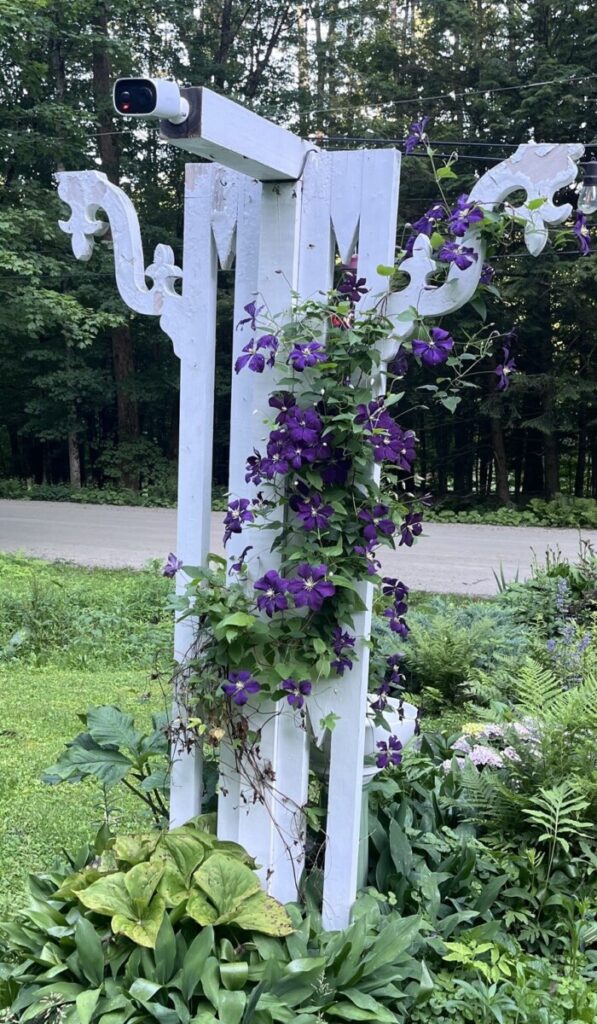
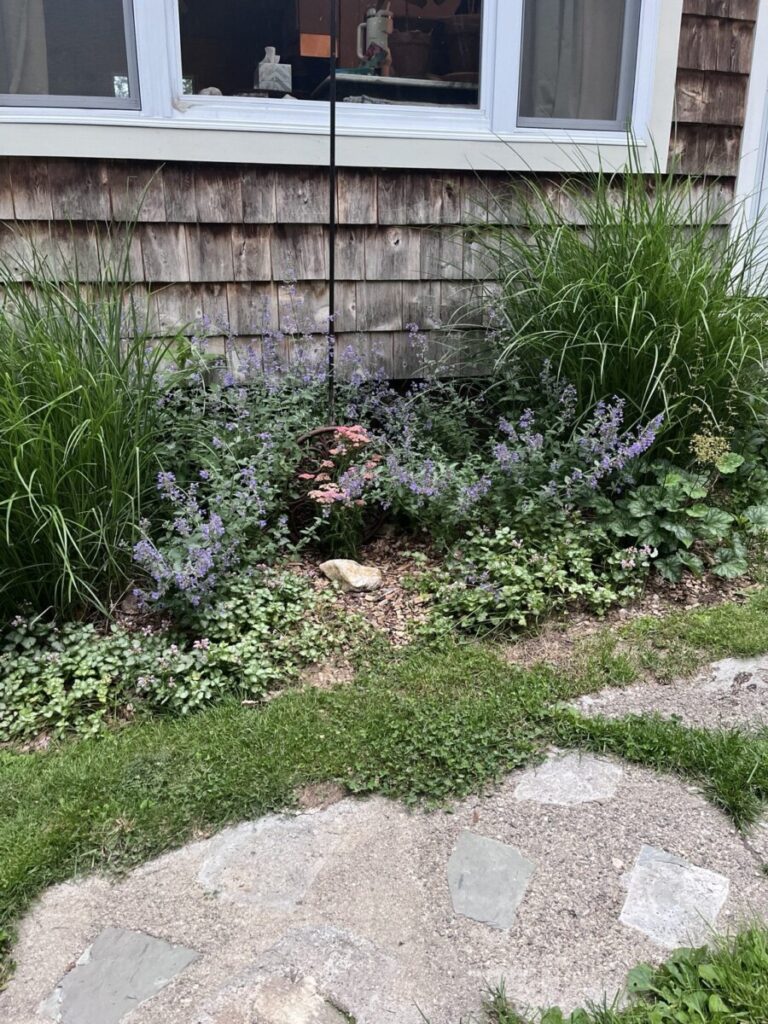
The arbor has clematis climbing up it. The beds around the house are filling in. The hydrangeas, grasses, catmint, hostas, and other perennials are beginning to create the cottage garden feeling I wanted from the beginning. Some of these plants were gifts from my childhood best friend and her family’s garden center, Riverdale Farm and Garden in Groton, Massachusetts, which makes those spaces feel even more meaningful to me. There’s something really special about planting pieces of friendship into the landscape of your home.
I love that the garden doesn’t feel overly formal. It feels personal. It feels layered. It feels like a collection of experiments, gifts, hard work, and hope. And in a way, that’s exactly what it is.
Watching the landscape mature has reminded me that the best gardens can’t be rushed. You can plant a bed in a weekend, but you can’t force fullness or even space from overgrown areas planted by previous owners. You can’t force maturity of the plants you have added or full recovery after removing invasive plants once thought to be great garden additions or overgrown areas. You can’t force the kind of lived-in beauty that comes from letting plants settle, spread, and surprise you.
That’s one of the reasons I love cottage gardening so much. It leaves room for imperfection. It leaves room for change. It lets the garden become a story instead of a static design.
Just Start
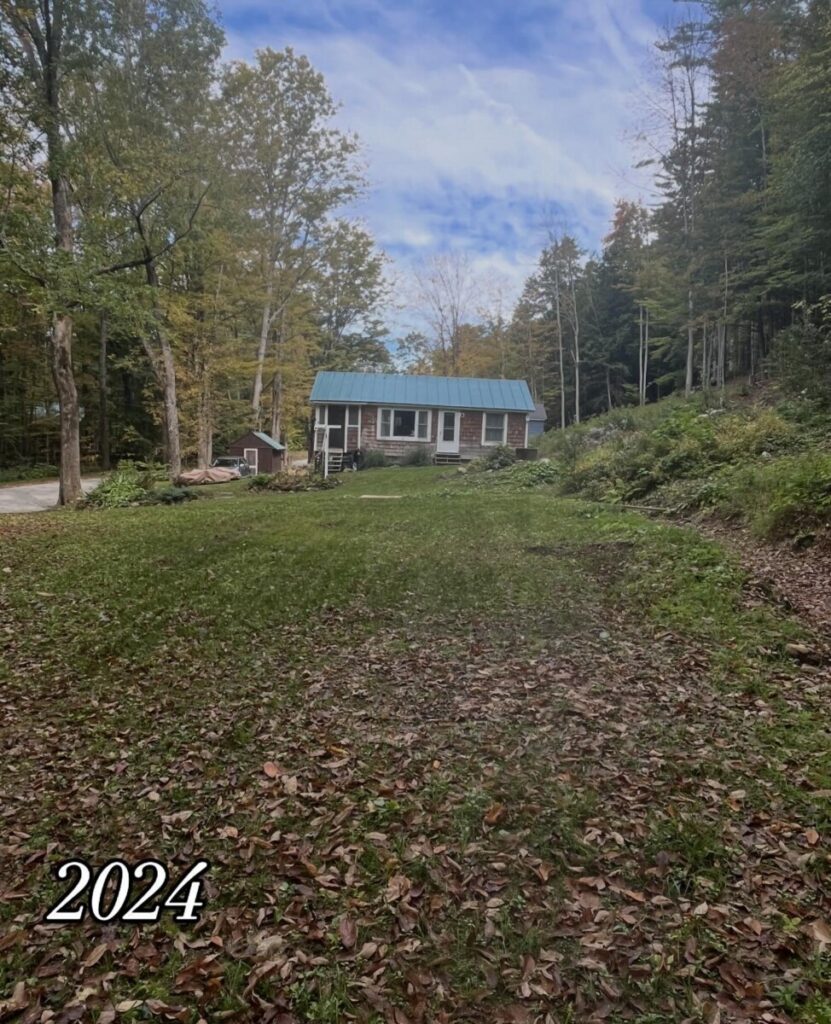
If there’s one message this cottage has taught me, it’s this: just start. Some of the earliest projects on this property weren’t pretty. There were trees to clear, brush to burn, drainage issues to sort out, and a whole lot of muddy in-between. But those projects created space—literally and figuratively—for everything that came next. The gardens, the paths, the views, and the feeling of calm I have here now all started with work that looked nothing like the final vision.
Start before you have the perfect plan. Start before you know exactly how it’s all going to turn out. Start even if the project feels too big and the end result feels impossibly far away.
When I look at the before, during, and after photos of this property, I can see that none of this happened because I had some master renovation plan perfectly mapped out from day one. It happened because I kept taking the next step. One project became another. One cleared area became a lawn. One garden bed became five. One decision led to the next.
It wasn’t always graceful. It definitely wasn’t always easy. There were setbacks, expensive surprises, and seasons where it felt like all I could see was the unfinished work. But little by little, those small steps added up to a home that reflects who I am.
I think a lot of people wait to begin because they assume they need more money, more certainty, more skill, or more time before they can move forward. Sometimes that’s true. But sometimes what we really need is just the willingness to begin imperfectly.
That’s what this cottage has taught me. Not to wait for ideal conditions. Not to wait until I know everything. Not to wait until I can do it all at once. Just start where I am, with what I have, and trust that clarity will come as I go.
Closing Thoughts
One day, someone may look at this cottage and think it has always looked this way. They’ll see the gardens, the wooden bridges, the paths, the rooms, and the cozy details, but they won’t see the weekends of hard work, the brush piles, the budgeting, the planning, the false starts, or the years it took to make this little home feel like mine.
And that’s okay.
Because the truth is, creating a home isn’t a weekend project. It’s a life project.
This little rustic Vermont cottage is teaching me patience. It’s teaching me restraint. It’s teaching me to value progress over perfection and intention over speed. It’s teaching me that a home becomes beautiful not because everything is finished, but because it’s been cared for over time.
If you’re in the middle of your own renovation, home project, garden overhaul, or slow transformation, I hope this encourages you. You do not need to have it all figured out. You do not need to do it all at once. You do not need a giant budget or a perfect plan to begin creating something meaningful.
Sometimes you just need to start.
And then keep going.